
TTI × Midas Analytics
01 / 12
TTI × Midas Analytics
Innovation & Product Development · An AI Use-Case Library

Every idea deserves
a thousand customers.

Your teams already find the spaces worth playing in. We're proposing a library of AI use cases built for the way TTI invents — opening with two: a synthetic audience of your customers that pressure-tests any idea in minutes, and a concept visualizer that turns a paragraph into a product you can see.

use cases 01 + 02 · of a growing library live demo inside for Innovation & Product Dev 06 Jul 2026
Michele De Filippo
Prepared by Michele De Filippo, PhD
AI Lead · Midas Analytics
What we heard · how an idea travels at TTI

From a line on the master list
to a team in America.

01
The master list
Ideas pool in from across the business units. An opportunity area gets spotted — "there's something in lighting."
02
Into the field
The team physically goes to market — talks to real users, walks the aisles, and fleshes out the space.
03
Your own research
The idea comes back inside. Desk research and analysis shape it into something concrete — a case worth backing.
04
Hand-off to America
The lead teams in the US pick it up and carry it on toward development and launch.
This is my understanding of your workflow — correct me where I'm wrong.
Where this engagement points

That workflow already holds the rarest ingredient — real contact with real users. Most companies never leave the building. The opportunity isn't to replace any of it. It's to give every step an AI gear.

Build TTI's library of AI use cases — one for every step an idea takes from the list to launch.

We build it one use case at a time — each one small, concrete, and judged on whether your team actually reaches for it. This deck opens the library with #01 and #02.

Agenda · the first two shelves of the library

Two use cases, mapped to your workflow.

demo'd live in this deck
Use Case 01

The Synthetic Audience

Your customer base, recreated as AI personas. Every idea faces a thousand of them before anyone books a flight — and every one of them has an opinion.
1,000
opinions per run, in minutes
~$66
for a 1,000-person panel
Clips into Into the field Own research
renders inside
Use Case 02

The Concept Visualizer

A one-paragraph brief becomes photoreal product renders — studio shots, in-context scenes, colorways — before design or tooling spends a dollar.
min
from brief to render pack
$0
of tooling spent to find out
Clips into Own research feeds UC 01

② and ③ refer to the workflow steps two slides back — field research and your own research.

Use Case 01 · The Synthetic Audience
01

A Kickstarter simulator, populated by your customers.

The problem
Real-world testing is the bottleneck. Each idea that goes to the field costs weeks and real budget — so only a handful can be tested each cycle, and the rest sit on the list, untested.
The idea
Recreate your customer base as an AI audience — a thousand personas with the age, income, trade and habits of real TTI customers. Post any concept to them and watch who backs it, like a Kickstarter page you can run in minutes.
Sparked by Alessandro in our working session.
How a synthetic customer is built

Three layers make a persona believable.

Layer 1 · Demographics
Sampled from your base
Gender, age, income, occupation, region — drawn to mirror the real distribution of your customer data, not invented from thin air.
Layer 2 · Mindset
Habits & brand life
What they already own, where they shop, how they buy. A pro who lives on one battery platform reasons differently from a weekend renovator.
Layer 3 · Reasoning engine
A model matched to the mind
Each persona runs on an AI model tier matched to how that customer thinks — a quick gut-take shopper on a fast model, a master electrician weighing spec trade-offs on a frontier model.
The demo's three segments· Pro tradesperson Serious DIYer Casual homeowner — in the real tool, segments come from your actual base.
What changes · and what deliberately doesn't

Today, testing is the scarce resource.

Today — a few ideas get heard
Master list
every BU's ideas
weeks & budget per test
Field research
a precious few
Fieldwork is superb but expensive and slow — so it rations which ideas get tested. The rest wait their turn on the list.
With the synthetic audience
Master list
every idea
all of it
Synthetic panelminutes per idea
winners only
Field research
unchanged — earned
Every idea faces the panel first. Your fieldwork doesn't shrink — it sharpens: the trips you take are spent only on ideas that earned them.
See it working · it runs itself — click anything to take over

Ten customers. Then a hundred. Then a thousand.

panel.midasanalytics.ai · TTI synthetic audience
Concept: Audience: Panel:
10 personasest.43k tokensUS$0.66~1 min
Sampling personas…
0 / 0 responded
would buy 0on the fence 0pass 0
0
panel score
GO
panel of 1,000 · stable signal
would buy
price they'd pay
Positive reaction by segment
Pro tradesperson
Serious DIYer
Casual homeowner
Loved most
Top objection
Suggested next step
This run ·10 personas·43k tokens·US$0.66·1m 12s
Illustrative — invented products, invented customers, list-price token math. The real panel is built on TTI's actual customer data.
The economics · nothing hidden

Every run shows its price — before you press run.

PanelMixTokensEst. costWall-time
10 personasquick pulse · mirror the base≈ 43k< US$1~1 min
100 personasmirror the base≈ 428k≈ US$7~2 min
1,000 personasmirror the base≈ 4.28M≈ US$66~11 min
1,000 personaspro-heavy (frontier models)≈ 7.83M≈ US$146~17 min
The same read, the traditional way
One focus group (8–12 people)US$6–12k · 4–6 wks
Concept survey (n=250)US$15–30k · 3–8 wks
The panel doesn't replace these — it decides which ideas deserve them. Real-world spend goes where the signal already points.

Token economics are illustrative, at public list prices — the app shows the exact figure for your configuration before every run. Sophisticated personas cost more per head: an expert runs on a frontier model, a gut-take shopper on a fast one. Traditional-research figures are typical market ranges, not quotes.

Read this slide before believing the last one

A signal, not an oracle.

It ranks, it doesn't decide
Synthetic feedback is directional — brilliant at sorting fifty ideas into "pursue / refine / park," not at telling you a launch will succeed. Humans keep the final word.
Calibrated against your history
Before anyone trusts a score, we backtest: run products TTI already launched through the panel and check the scores against what actually happened.
The field stays sacred
Winners still go to real users — your fieldwork is the part of the process we'd never automate. The panel just makes sure every trip is worth taking.
Use Case 02 · The Concept Visualizer
02

See the product before it exists.

The problem
An idea stays words on a list until someone invests design time. But nobody reacts honestly to a paragraph — not a synthetic panel, not a user in a store aisle. The ideas that look unremarkable on paper die before anyone sees them.
The idea
AI turns a one-paragraph brief into photoreal product renders — studio hero shots, in-context scenes, colorway variations — in minutes. The concept becomes something people can react to, before any industrial-design or tooling budget is touched.
See it working · one brief, three shots — click to switch

From a paragraph to a product shoot.

visualizer.midasanalytics.ai · concept renders
The brief — the only input
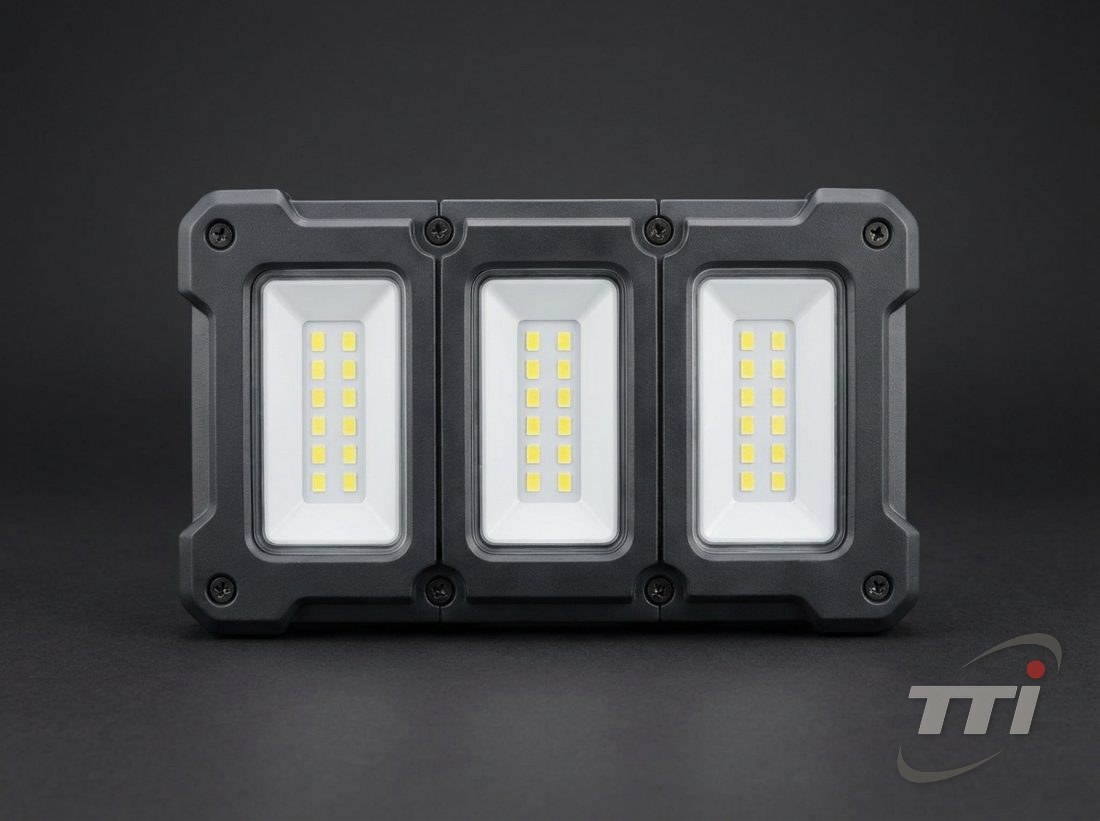
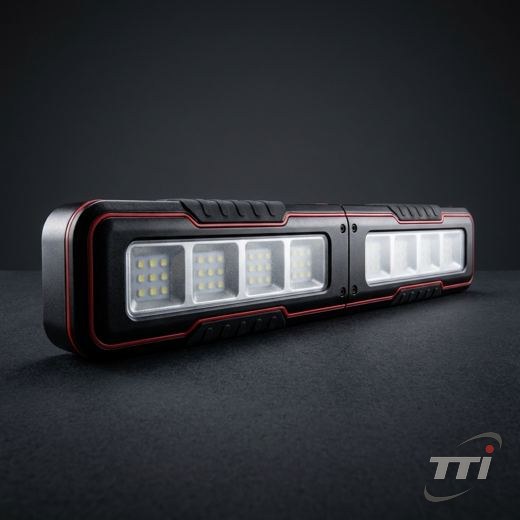
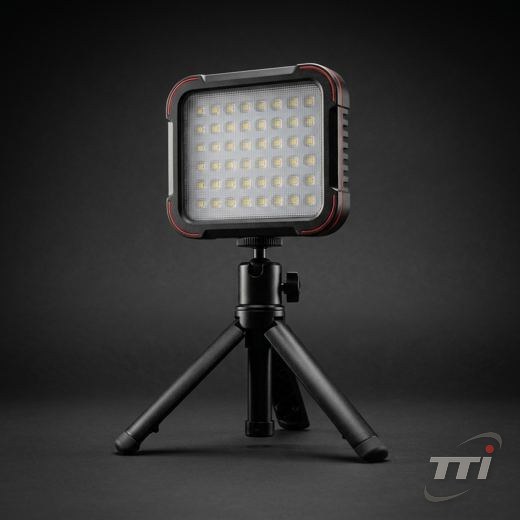
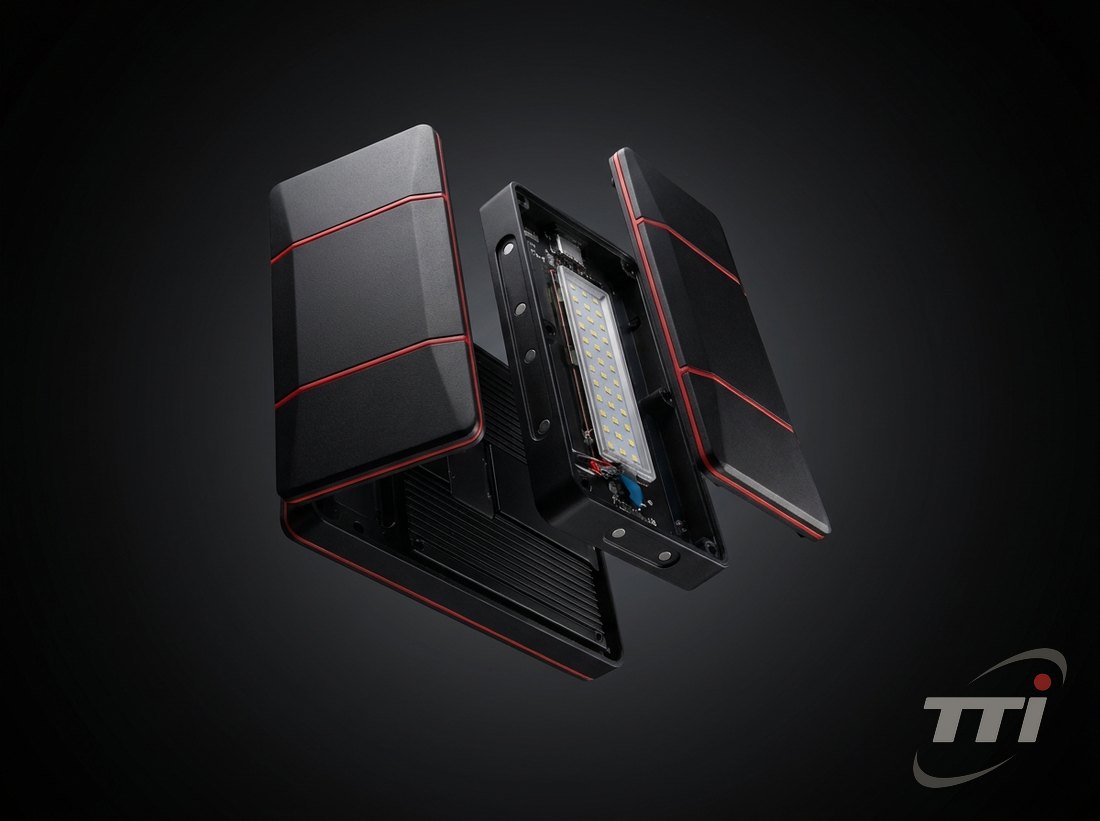
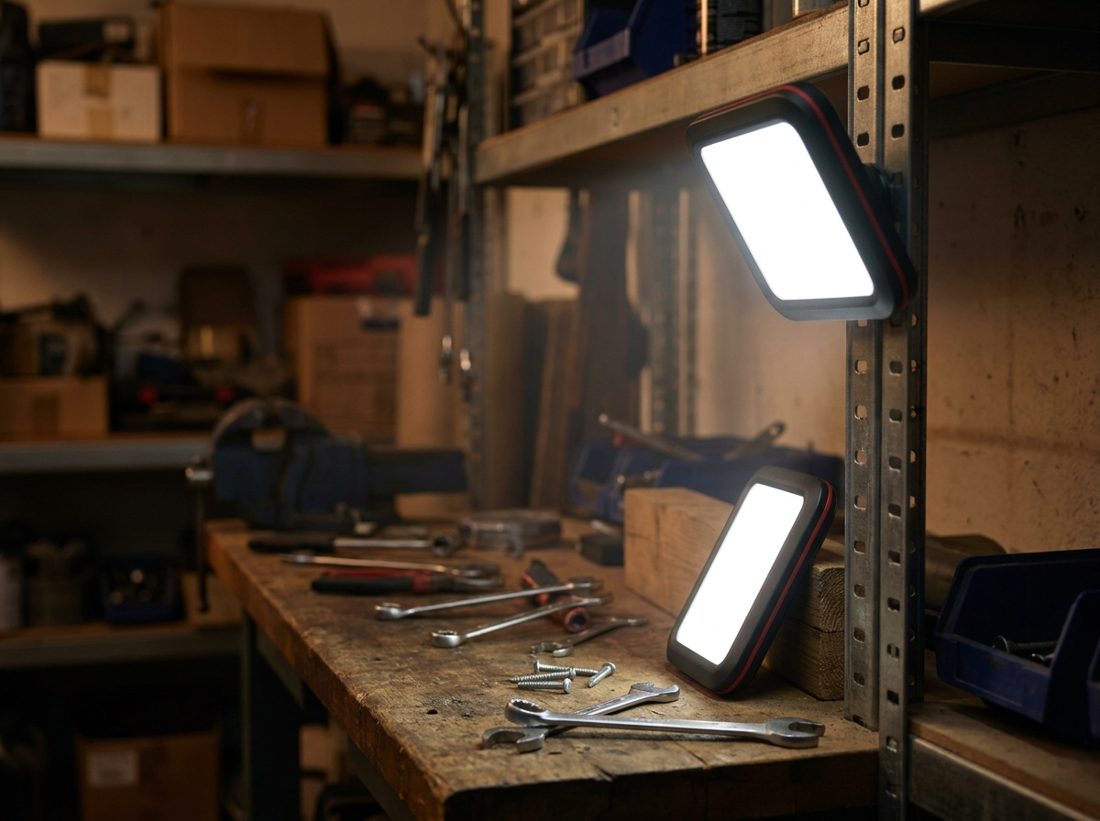
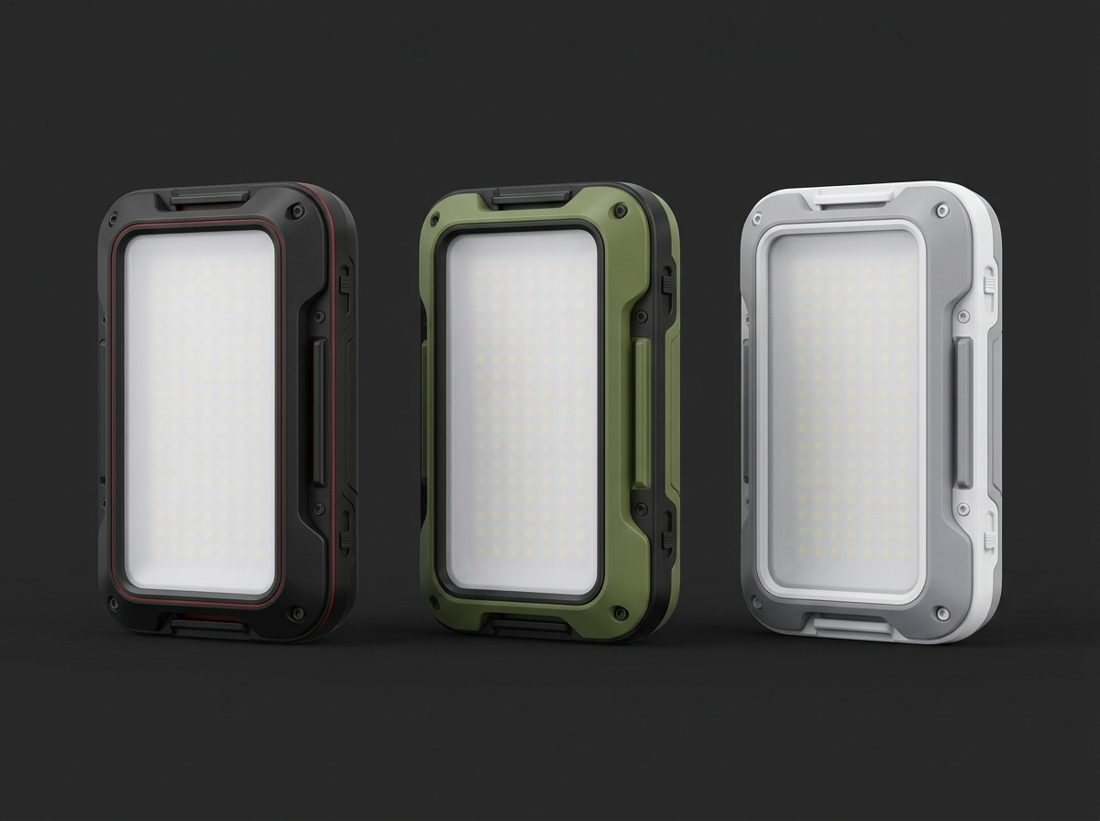
"A cordless work light made of three magnetic LED panels that detach and stick where light is needed — one battery, no tripod. Matte black, thin red accent."
The render pack
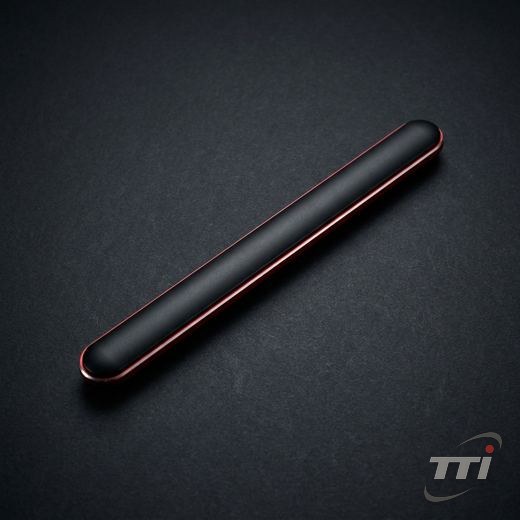
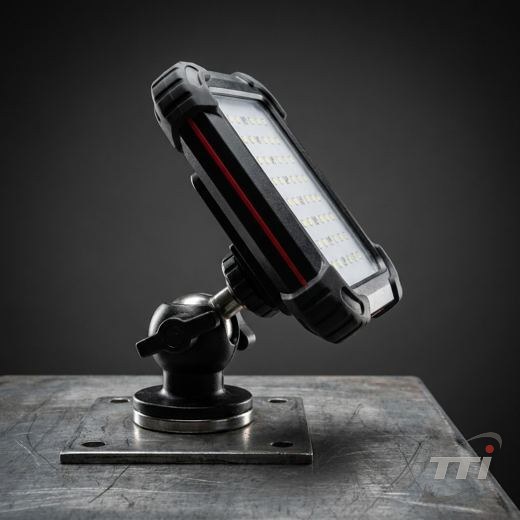
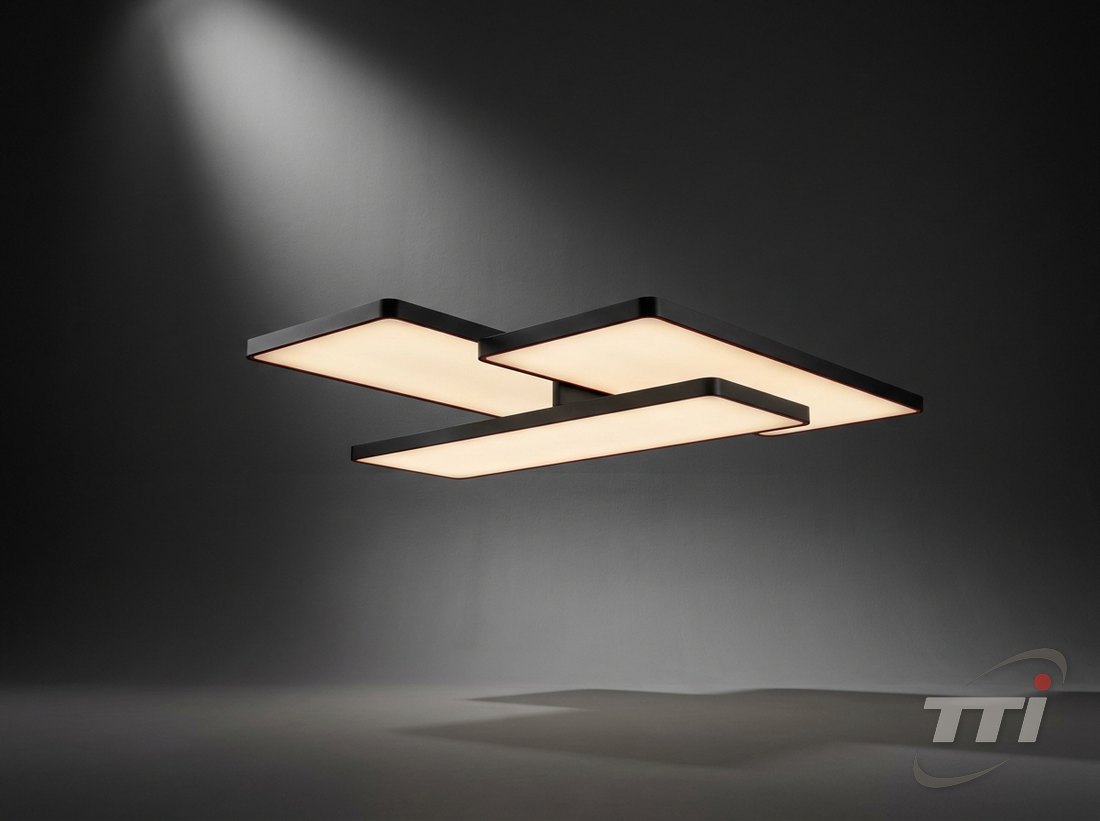
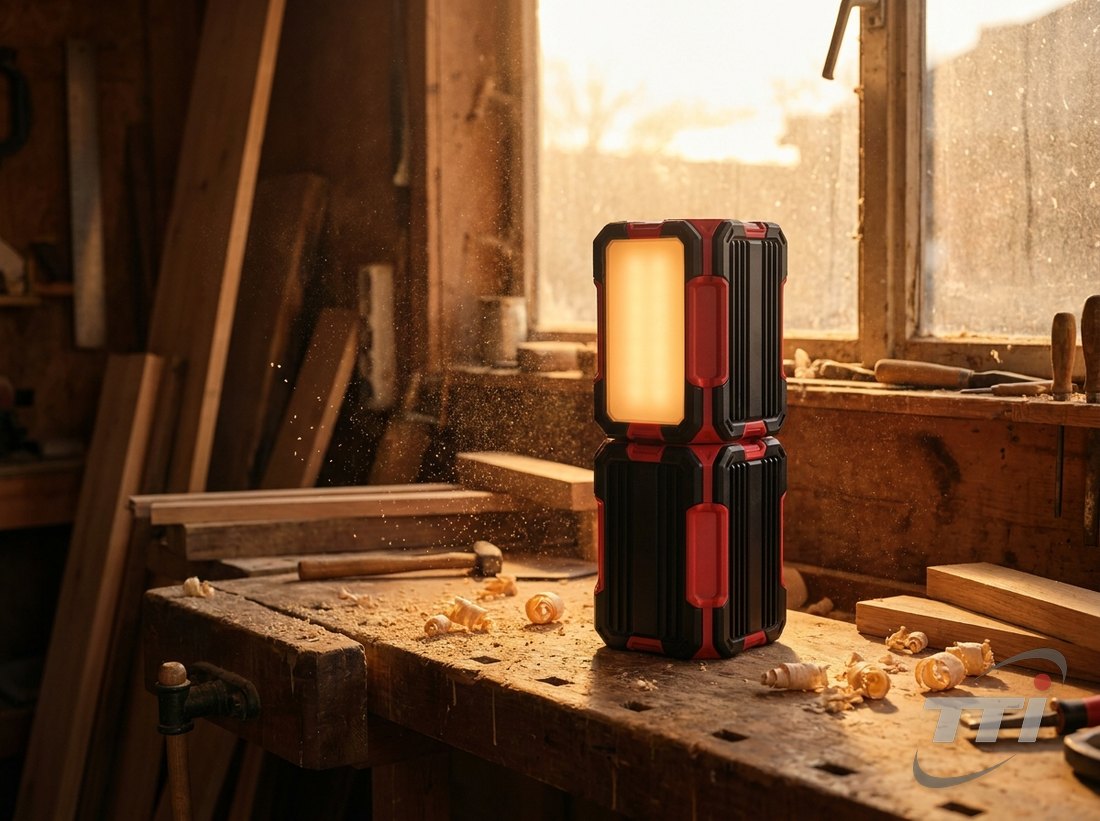
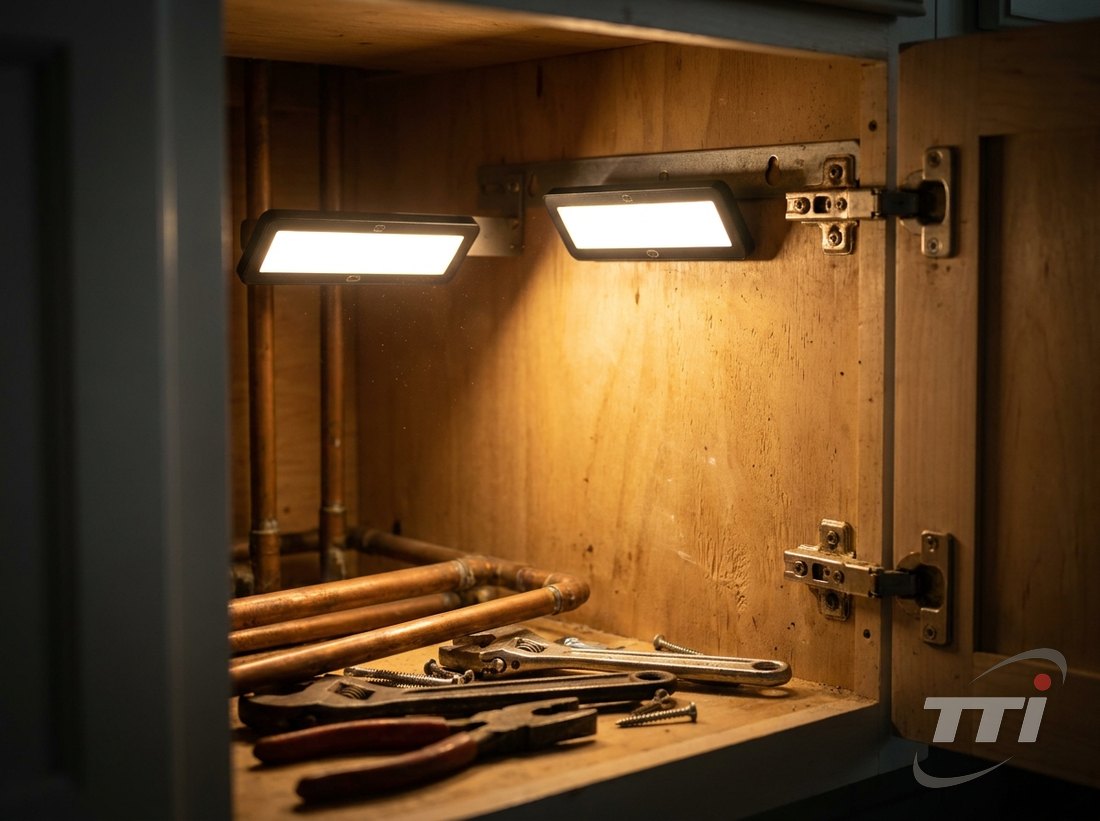
AI-generated studio render of the LINK-LIGHT concept AI-generated in-context shot of the LINK-LIGHT concept AI-generated colorway variations of the LINK-LIGHT concept
AI-generated from the brief · LINK-LIGHT, the concept from the panel demo
These images are AI-generated — made for this deck from the exact brief on the left, the same invented concept the synthetic panel just scored. No designer hours were spent.
Use Case 01 × Use Case 02 · better together

Together, they close a loop.

A
Write the brief
One paragraph off the master list — no sketches, no CAD, no meetings.
UC 02
See it
The visualizer renders the concept — hero shot, in-context, colorways.
UC 01
Hear 1,000 react
The panel scores what it sees, not just what it reads — richer signal.
B
Refine & repeat
Fix the top objection, re-render, re-run. Each lap costs minutes.
C
Field, with winners
Only survivors earn the trip — and they arrive with renders in hand.

Write it in the morning, see it before lunch, hear a thousand customers react by the afternoon — and walk into the field with only the ideas that survived.

Where the library goes next

Two shelves filled. Two waiting.

Each use case clips into one step of your workflow — small enough to ship fast, useful enough to stay. We shortlist the next ones together, at kickoff.

01
The Synthetic Audience
Every idea pressure-tested by an AI copy of your customer base — in minutes, with a price tag on every run.
this deck · ships first
02
The Concept Visualizer
A one-paragraph brief becomes photoreal renders — and feeds straight into the panel. The loop closes.
this deck · ships with 01
03
Your call
Candidates on the table — we bring a menu of ideas for every workflow step, you bring the pain points.
shortlisted at kickoff
04
Your call
The library compounds — every use case shares the same data plumbing and the same login.
shortlisted at kickoff
How we'd start · light on your calendar

Three steps to a live panel.

Step 01

Walk the demo

A working session with your team — we run this simulator live, pick apart what's believable, and choose the segments that matter.

Step 02

NDA & scope

We need to know your customers to model them. An NDA, then a lightweight statement of work — about a week.

Step 03

Build & calibrate

First panel built on real TTI segments and backtested against a product you've already launched — so the first score you see comes with receipts.

TTI × Midas Analytics

Thank you.

A library of AI use cases for the way TTI invents — opened by giving every idea a thousand customers.

midasanalytics.ai


navigate